Discover the Enchanting World of Asian Adventures in Japan
Embarking on an Asian adventure in Japan offers travelers a captivating blend of ancient traditions and cutting-edge modernity. Known for its rich cultural tapestry, Japan seamlessly weaves together centuries-old temples, serene gardens, and bustling urban centers that pulse with energy. This destination stands out as a truly unique travel experience, inviting explorers to immerse themselves in a land where history and innovation coexist harmoniously. Whether you’re drawn to the tranquil beauty of traditional tea ceremonies or the vibrant chaos of neon-lit streets, Japan promises an unforgettable journey that appeals to every type of traveler.
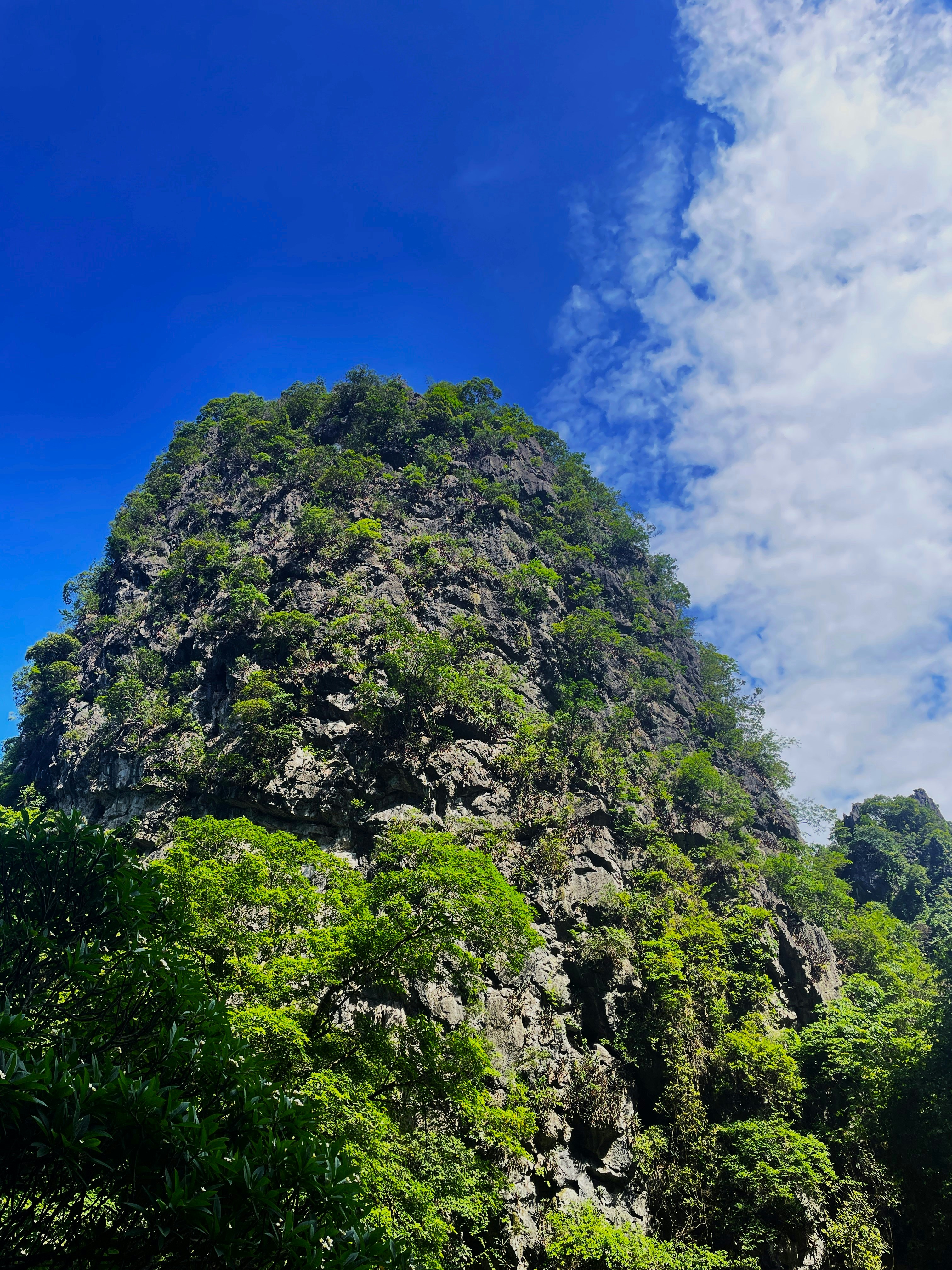
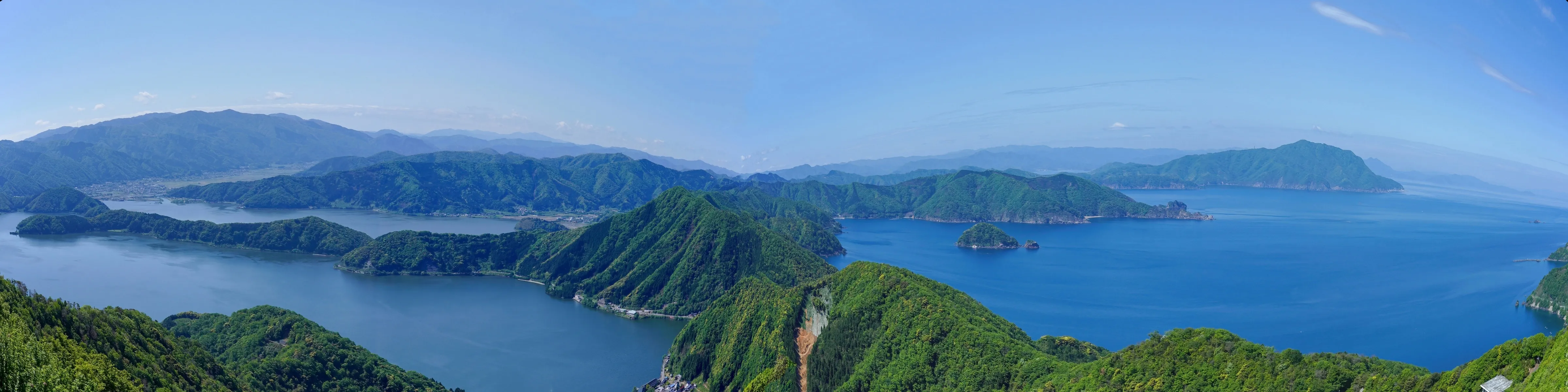
In this comprehensive guide, readers can expect an in-depth look at what makes Japan a top Asian adventure destination. From exploring hidden gems and local customs to discovering the diverse landscapes that stretch from snowy mountains to tropical coasts, this article will provide valuable insights to elevate your travel experience. Prepare to uncover the essence of Japan’s captivating culture, vibrant cities, scenic nature, and culinary delights—each offering a new perspective on what makes this country an extraordinary adventure for explorers seeking authentic and inspiring travel moments.
Travel better with fast delivery, exclusive deals & shows – free with Prime!
When Is the Best Time to Visit Japan?
Understanding Japan’s Climate and Seasons
Japan’s diverse climate offers distinct experiences throughout the year. From snowy winters in Hokkaido to subtropical warmth in Okinawa, the timing of your visit greatly influences your adventure. Generally, the most favorable periods balance pleasant weather with fewer crowds, making them ideal for exploring the country’s rich cultural and natural sites.
Peak Tourist Seasons
The busiest times in Japan align with iconic natural events and holidays. Spring (March to May) draws millions eager to witness the breathtaking cherry blossoms, especially in Tokyo, Kyoto, and Osaka. Autumn (September to November) offers vibrant foliage, attracting travelers seeking scenic beauty. During these seasons, popular spots tend to be crowded, and prices for accommodations and flights often rise.
Off-Peak Benefits
Visiting during the shoulder seasons—late winter (January to February) and early summer (June)—can be highly rewarding. These periods typically feature fewer tourists, lower prices, and shorter lines at attractions. Additionally, off-peak times allow travelers to experience Japan’s cultural festivals without the crowds, such as Sapporo’s Snow Festival or Kyoto’s Gion Matsuri.
Practical Tips for Planning Your Visit
- Spring (March to May): Ideal for cherry blossom viewing, but expect crowds and higher prices.
- Summer (June to August): Hot and humid, yet perfect for mountain hikes and festivals like Obon.
- Autumn (September to November): Stunning fall colors, fewer tourists, and comfortable weather.
- Winter (December to February): Great for skiing in Hokkaido and enjoying hot springs, with fewer visitors outside peak ski resorts.
Summary Table of Pros and Cons
| Time Period | Pros | Cons |
|---|---|---|
| Spring (March-May) | Beautiful cherry blossoms, pleasant weather, cultural festivals | Crowds, higher prices, limited accommodation availability |
| Summer (June-August) | Festivals, mountain adventures, vibrant scenery | Hot, humid, peak tourist influx in popular areas |
| Autumn (September-November) | Stunning fall foliage, mild weather, fewer tourists | Rainy season in early autumn, shorter daylight hours |
| Winter (December-February) | Snow sports, hot springs, fewer crowds | Cold weather, some attractions may be closed or less accessible |
Ultimately, the best time for your Asian adventure depends on your interests. Whether chasing cherry blossoms, enjoying winter sports, or exploring cultural festivals, Japan offers something memorable year-round. Planning ahead ensures you maximize your experience and embrace the unique charm each season provides.
Getting to Japan Travel Guide
Embarking on an Asian adventure to Japan promises a mesmerizing blend of ancient traditions and cutting-edge modernity. To make your journey seamless, understanding the various transportation options available is essential. Whether you’re arriving from afar or exploring within the country, knowing how to navigate Japan efficiently will enhance your travel experience. From international flights to local transit, this guide will help you plan your trip with confidence.
International Flights to Japan
Most travelers arrive in Japan via major international airports, with Tokyo’s Narita (NRT) and Haneda (HND) airports serving as primary gateways. Kansai International Airport (KIX) in Osaka and Chubu Centrair International Airport near Nagoya are also popular entry points. Major airlines from Asia, North America, Europe, and Oceania offer direct flights, making Japan accessible from virtually anywhere. When booking, consider airlines that offer direct routes to minimize travel time, especially if you’re eager to start your adventure quickly.
Trains and Rail Travel
Japan’s rail network is world-renowned for its punctuality and efficiency. The Japan Rail Pass offers unlimited travel on most JR trains, including the famous Shinkansen bullet trains. This pass is ideal for travelers planning to visit multiple cities. Within cities, local trains and subways provide quick and affordable transportation options. Remember, trains often run until midnight, but check schedules for late-night travel options.
Bus Services
Long-distance highway buses connect major cities and tourist destinations, offering a budget-friendly alternative to trains and flights. Night buses are especially popular among backpackers, allowing you to save on accommodation while traveling between cities like Tokyo, Kyoto, and Hiroshima. Local buses are essential for reaching more remote areas, such as rural villages or mountain regions.
Car Rentals and Road Travel
If you prefer the flexibility of driving, car rentals are available at airports and city centers. Japan’s roads are well-maintained, and driving is straightforward, especially in rural areas. Keep in mind, driving is on the left side, and international drivers should carry their license and familiarize themselves with local traffic rules. For exploring off-the-beaten-path destinations, renting a car can be an enriching experience.
Useful Travel Tips and Important Information
- Always carry your passport and any necessary visas.
- Consider purchasing a Japan Rail Pass before arriving, as it offers significant savings for train travel.
- Check train and bus schedules ahead of time, especially during holidays or peak seasons.
- Public transportation is punctual and clean, but rush hours can be crowded—plan accordingly.
- For last-minute travel plans, taxis are available but tend to be more expensive.
Overall, Japan’s transportation system is designed to support seamless travel for Asian adventurers eager to explore its diverse landscapes and vibrant cities. With proper planning and a little local insight, your journey to Japan will be as smooth as it is memorable.
Rent a Bicycle
Best Places to Stay in Japan for Every Budget
Japan offers an incredible array of accommodations that cater to every traveler’s style and budget. Whether you seek the luxury of a five-star hotel, the comfort of mid-range options, or the affordability of budget stays, Japan’s diverse lodging scene ensures a memorable experience. For Asian adventures, choosing the right place to stay can significantly enhance your journey, blending comfort with cultural immersion.
Luxury Options: Indulge in Elegance and Exceptional Service
For travelers seeking ultimate comfort and a taste of Japanese sophistication, luxury hotels provide an unmatched experience. One standout choice is the Park Hyatt Tokyo. Located in the Shinjuku district, this hotel boasts panoramic city views, spacious rooms, and world-class amenities. Its sleek, modern design perfectly complements the vibrant Tokyo skyline, making it ideal for travelers who want a luxurious retreat after exploring the city.
Another excellent option is the Gora Kadan in Hakone. This historic ryokan combines traditional Japanese aesthetics with modern luxury. Guests enjoy private onsens, exquisite kaiseki dining, and personalized service, all set amidst serene natural surroundings. It’s perfect for those wanting to immerse themselves in Japan’s cultural heritage while enjoying top-tier comfort.
Mid-Range Stays: Comfort and Convenience at a Fair Price
If you prefer a balance between affordability and quality, mid-range hotels offer excellent value. The Hotel Gracery Shinjuku in Tokyo is a popular choice. It features modern rooms, friendly staff, and a prime location near shopping, dining, and entertainment options. Its themed rooms and the famous Godzilla head on the roof add a quirky, fun touch that appeals to Asian adventure travelers.
In Kyoto, the Hotel Granvia Kyoto provides convenient access to train lines and cultural sites. Its spacious rooms, excellent amenities, and proximity to attractions make it a practical yet comfortable choice for exploring Japan’s ancient capital.
Budget Options: Affordable Comfort for Every Traveler
For those traveling on a tight budget, Japan offers numerous hostels and guesthouses that provide clean, safe, and friendly environments. The Khaosan Tokyo Origami hostel is a favorite among backpackers. Located in Asakusa, it offers dormitory beds and private rooms, along with communal spaces that foster social connections. Its central location allows easy access to historic temples and bustling markets.
In Osaka, the J-Hoppers Osaka Guesthouse combines affordability with cultural immersion. With a welcoming atmosphere, communal kitchen, and friendly staff, it’s an ideal base for budget travelers eager to explore Japan’s vibrant urban scene without breaking the bank.
| Accommodation Type | Recommended Hotels | Highlights |
|---|---|---|
| Luxury | Park Hyatt Tokyo, Gora Kadan | Panoramic views, traditional elegance, personalized service |
| Mid-Range | Hotel Gracery Shinjuku, Hotel Granvia Kyoto | Great location, modern amenities, cultural access |
| Budget | Khaosan Tokyo Origami, J-Hoppers Osaka | Affordable rates, social atmosphere, central locations |
Choosing the right accommodation in Japan depends on your budget and travel style. From luxurious retreats to budget-friendly hostels, each option offers a unique way to experience Japan’s rich culture and vibrant cities. For Asian adventurers, the key is to find a place that not only provides comfort but also enriches your journey through authentic local experiences.
Essential Travel Products for Visiting Japan
When planning your journey to Japan with the Asian Adventures Japan Travel Guide, equipping yourself with the right travel products can significantly enhance your experience. Here are two highly recommended items that are indispensable for navigating Japan’s vibrant cities, serene countryside, and everything in between.
1. Japan Travel SIM Card or Pocket Wi-Fi
Staying connected is crucial when exploring Japan. A Japan-specific SIM card or a portable Wi-Fi device ensures seamless internet access throughout your trip. The Sakura Mobile Japan SIM Card offers reliable coverage with data plans tailored for short-term visitors. It supports 4G LTE, allowing you to navigate public transport, translate menus, or stay in touch with loved ones effortlessly. You can purchase it online before departure or pick it up at major airports, making it convenient for immediate use upon arrival.
Alternatively, the Japan Wireless Pocket Wi-Fi is a popular choice among travelers. It provides high-speed internet for multiple devices simultaneously, making it ideal for families or groups. Its compact size fits easily into your pocket or bag, and rental can be arranged online, with delivery directly to your accommodation or airport. This device ensures uninterrupted connectivity, which is especially helpful when using real-time translation apps or digital maps, vital for navigating Japan’s complex transit systems and discovering hidden gems off the beaten path.
2. Compact Travel Umbrella
Japan’s weather can be unpredictable, with sudden rain showers common, especially during spring and summer. A compact, lightweight umbrella such as the Repel Windproof Travel Umbrella is a traveler’s best friend. Designed to withstand strong gusts, it folds down small enough to fit into your daypack or purse. Its durability and wind resistance ensure you stay dry without worrying about the umbrella flipping inside out, a common frustration with lesser models.
This umbrella is particularly useful when exploring outdoor temples, parks, or strolling through bustling markets. Its quick-drying fabric also means you can pack it away swiftly after the rain stops. Available at major online retailers or travel stores, this umbrella adds minimal weight to your luggage but offers maximum protection against Japan’s sudden weather changes.
Discover travel essentials available on Amazon
Recommended Travel Guide Books for Asian Adventures in Japan
To complement your travel products, a comprehensive guidebook can provide invaluable insights, cultural tips, and detailed itineraries. For travelers seeking in-depth knowledge, Asian Adventures Japan Travel Guide offers a curated selection of books available on Kindle Unlimited and Audible, perfect for immersing yourself in Japan’s rich tapestry of history, cuisine, and hidden treasures.
1. Japan Travel Guide by Lonely Planet (Kindle Unlimited & Audible)
This guidebook is a trusted companion for travelers wanting a balance of practical tips and cultural insights. It covers major cities like Tokyo, Kyoto, and Osaka, while also exploring lesser-known regions. The book offers detailed itineraries, transportation advice, and restaurant recommendations. Its engaging writing style helps travelers understand local customs, etiquette, and language essentials, making it ideal for first-time visitors eager to dive deep into Japanese culture.
2. Japan Off the Beaten Path by Lonely Planet (Kindle Unlimited & Audible)
Designed for adventurous travelers, this book uncovers Japan’s hidden gems beyond popular tourist spots. It guides readers through remote villages, scenic hiking trails, and unique cultural experiences that are often missed. This guidebook encourages exploring Japan from a different perspective, perfect for those who want to embrace the spirit of Asian Adventures and discover authentic local life.
3. Japan: The Ultimate Travel Guide by Rick Steves (Kindle Unlimited & Audible)
Rick Steves’ guide offers practical advice, cultural etiquette, and insightful commentary that helps travelers navigate Japan confidently. It emphasizes meaningful experiences, from participating in traditional tea ceremonies to exploring historic temples. The book’s friendly tone and detailed maps make it accessible for all types of travelers, ensuring you get the most out of your journey through Japan’s diverse regions.
In summary, pairing these guidebooks with the right travel accessories will enrich your Asian Adventures, allowing you to explore Japan with confidence, curiosity, and ease. Whether you’re wandering through bustling cities or exploring tranquil countryside, these resources will help you uncover Japan’s true essence.
Listen to travel guides on the go – free Audible trial!
Frequently Asked Questions About Asian Adventures Japan Travel Guide
1. What is the best time of year to visit Japan for an Asian Adventure?
Japan offers stunning experiences year-round, but the ideal time depends on your interests. Spring (March to May) is famous for cherry blossoms, creating a magical atmosphere perfect for sightseeing andgraphy. Autumn (September to November) features vibrant fall foliage, providingsque landscapes ideal for outdoor exploration. Summer (June to August) is lively with festivals and fireworks, although it can be hot and humid. Winter (December to February) is perfect for skiing in regions like Hokkaido and enjoying hot springs, known as onsen. To maximize your adventure, consider shoulder seasons in late spring or early autumn, as these periods tend to be less crowded and offer pleasant weather.
2. How should I navigate Japan’s transportation system during my trip?
Japan boasts an extensive, efficient public transportation network, making travel seamless for visitors. The Japan Rail Pass is highly recommended for tourists planning to travel between cities, offering unlimited train rides on most JR lines for a fixed period. Within cities, subways and buses are reliable and easy to use, with signage often available in English. Many cities also have convenient taxi services, but they can be costly. For local travel, consider purchasing prepaid IC cards such as Suica or Pasmo, which can be used across various transit systems. Planning your routes in advance with apps like HyperDia or Google Maps can save you time and help you navigate smoothly during your Asian Adventure.
3. What are some unique cultural experiences I can enjoy in Japan?
Japan is rich in cultural traditions that offer travelers a truly immersive experience. Visitors can participate in a traditional tea ceremony, learning about the meticulous art of tea preparation. Visiting a ryokan (traditional inn) allows you to experience authentic Japanese hospitality, often including tatami rooms and kaiseki meals. Attending local festivals, such as Gion Matsuri in Kyoto or Nebuta in Aomori, provides insight into regional customs and vibrant celebrations. For a modern twist, explore contemporary art galleries, attend sumo tournaments, or try on a kimono. Engaging with locals and respecting customs enhances your journey, making your Asian Adventure both meaningful and memorable.
4. Are there any travel tips for exploring Japan on a budget?
Absolutely. Japan can be affordable if you plan wisely. Opt for regional or nationwide rail passes, which offer significant savings on transportation. Budget accommodations like guesthouses, capsule hotels, or hostels are widely available and provide authentic stays. Eating at convenience stores, street vendors, or local izakayas can be both economical and delicious. Many attractions, such as temples and parks, have free or low-cost entry. Additionally, look for free walking tours or city passes that include multiple attractions. Planning ahead and prioritizing must-see sights will help you enjoy your Asian Adventure without overspending.
5. What are some must-try foods during my trip to Japan?
Japanese cuisine is diverse and full of flavors. Be sure to try sushi and sashimi for fresh seafood experiences. Ramen, with its rich broth and various toppings, is a comforting staple. Don’t miss tempura, crispy fried vegetables and seafood, or yakitori, skewered grilled chicken. For a sweet treat, indulge in mochi or matcha-flavored desserts. Regional specialties also abound, such as Hiroshima-style okonomiyaki or Hokkaido’s seafood. Sampling street foods like takoyaki (octopus balls) or taiyaki (fish-shaped pastry filled with sweet red bean paste) adds fun to your culinary journey. Exploring local markets and food stalls will deepen your understanding of Japan’s culinary culture during your Asian Adventure.
6. How can I ensure a respectful and authentic experience while exploring Japan?
Respect for local customs enhances your travel experience and fosters positive interactions. Always remember to remove your shoes when entering homes, temples, or traditional accommodations. Be mindful of silence and politeness in public spaces, especially on public transportation. Learning a few basic Japanese phrases, such as “hello,” “thank you,” and “excuse me,” shows appreciation for local culture. Respect local etiquette, like not pointing with chopsticks or speaking loudly in quiet areas. Participating in cultural activities with an open mind and genuine curiosity will enrich your Asian Adventure, allowing you to connect more deeply with Japan’s warm and respectful society.
Overall, your Asian Adventure in Japan promises a blend of tradition, modernity, and natural beauty. With thoughtful planning and an open heart, you’ll create unforgettable memories that capture the essence of this captivating destination.
<--! Insert a generalof Japan's scenic landscapes or vibrant cityscapes here -->
Holiday shopping? Earn cashback on clothes, luggage & accessories!
Discover the Unforgettable Charm of Japan with Asian Adventures
Embarking on a journey through Japan offers an extraordinary blend of ancient traditions and modern innovation. From exploring historic temples and serene gardens to experiencing vibrant city life, Asian Adventures guides you through every captivating corner of this remarkable country. Whether you’re wandering through Kyoto’s timeless streets, savoring authentic sushi in Tokyo, or hiking scenic trails in Hokkaido, Japan promises diverse experiences that cater to every traveler’s passion.
Key Highlights Covered in the Guide
- Must-visit destinations including Tokyo, Kyoto, Osaka, and Hiroshima
- Unique cultural experiences such as tea ceremonies and traditional festivals
- Gastronomic adventures featuring local cuisine and street food
- Practical travel tips for navigating Japan’s transportation system and accommodations
- Hidden gems and lesser-known spots that offer authentic Japanese experiences
To truly immerse yourself in the essence of Japan, consider exploring beyond the typical tourist paths. Engage with local customs, participate in seasonal festivals, and try regional specialties. These authentic interactions enrich your journey, transforming it into a memorable adventure that stays with you long after returning home.
Take Action and Start Planning Your Asian Adventure Today
Now is the perfect time to turn your travel dreams into reality. Dive deeper into Japan’s diverse landscapes and vibrant culture, and craft an itinerary tailored to your interests. With careful planning and an open mind, your trip will become a life-changing experience filled with discovery and joy. Don’t wait—embark on your Asian adventure now and create stories worth sharing for years to come.